Six Weeks, One Grand: A Festive Side-Hustle Plan for the 2026 Season
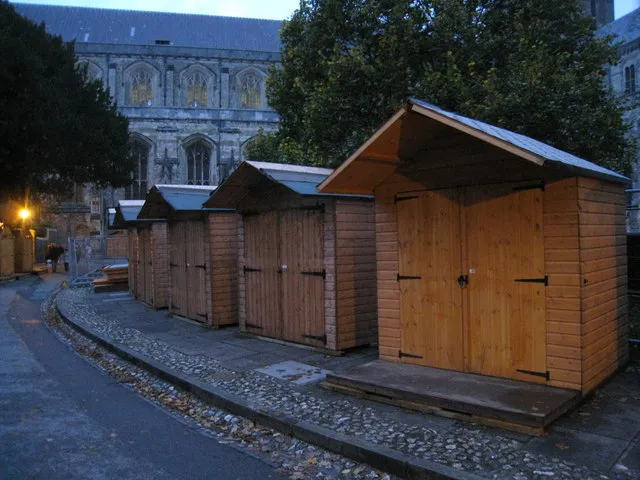
Photo: Sebastian Ballard, CC BY-SA 2.0, via Wikimedia Commons
As I write this on 7 November 2026, the Christmas markets are already going up and the job ads are starting to smell of mulled wine and mild panic. If you want to make an extra £1,000 before New Year, the maths is not mystical. Spread over six weeks, it is about £167 a week. That is roughly two extra shifts at £14 an hour, or one reliable shift plus a Saturday gift-wrapping session. Not effortless. Not impossible.
The honest maths first
This is gross income, not take-home pay. HMRC's trading allowance means that if your side-hustle gross income is £1,000 or less, you can generally use the allowance and do not need to register for Self Assessment just for that income. Cross £1,000 and things change: you may need to register and file a return. You cannot deduct expenses and use the trading allowance at the same time. Keep records from day one, even if they are just a spreadsheet and a folder of receipts. Assume tax may be due and set aside a slice.
Here are realistic late-2026 UK rates, not influencer fantasy rates:
| Work | Typical rate | Reality check |
|---|---|---|
| Parcel sorting and delivery | £12–£16/hr | Peak hours are there, but agency deductions and travel eat into it |
| Christmas market stall | £11.50–£14/hr | Fun for about four hours, then your feet file a complaint |
| Gift wrapping | £15–£25/hr or £3–£6 per gift | Weekend demand is real; speed matters |
| Hospitality | £12–£15/hr plus tips | Festive parties need extra hands |
| Tutoring | £25–£40/hr | GCSE maths and English are the reliable earners |
| Festive admin | £14–£20/hr | Temporary office support, data entry, customer service |
Week 1 (9–15 November): Choose two lanes, not five
Pick one reliable paid lane, such as delivery or hospitality, and one higher-rate lane, such as gift wrapping or tutoring. Target: £100. That is one seven-hour shift at £14 an hour plus a bit. Apply to two agencies, message three local market organisers, and write a simple gift-wrapping price list. Do not pay for a course to become a 'certified gift wrapper'. That is not a thing.
Week 2 (16–22 November): Lock in the repeatable stuff
Target: £170. Two evening hospitality shifts, or one delivery shift plus a Saturday market. Confirm every booking in writing, even if it is a text. Keep receipts for travel and equipment. If an agency asks you to pay for a uniform or a background check upfront, check whether that is normal for the sector and get it in writing. Some checks are legitimate; vague 'admin fees' usually are not.
Week 3 (23–29 November): Black Friday and light switch-ons
Target: £180. Town centres and retail parks need extra hands. Two shifts plus one short wrapping session will do it. Resist the urge to work seven days. A sprint is not a collapse in slow motion.
Week 4 (30 November–6 December): The gift-wrapping peak
Target: £200. Gift wrapping can pay £15–£25 an hour or £3–£6 per gift. A six-hour session at £18 an hour is £108. Add a Sunday market and you are close. If you are wrapping at home, agree the price per item before you start, especially for awkward shapes. A bike is not a 'small gift'.
Week 5 (7–13 December): Tutoring and festive admin
Target: £180. Two one-hour GCSE tutoring sessions at £30 an hour is £60. One eight-hour festive admin shift at £15–£20 an hour is £120–£160. If you have a DBS check for tutoring, brilliant. If not, do not claim you have one.
Week 6 (14–20 December): Final push, not final collapse
Target: £170. Hospitality, delivery, wrapping. Take Monday off. I am serious. The goal is £1,000, not a January where you cannot remember your own postcode.
The optional last stretch (21–31 December)
Target: £0–£100. New Year's Eve bar shifts pay well, but only if you can recover. Do not build the £1,000 on work you have not been offered yet.
Case study: Priya, 29, Leeds
Priya hit £1,120 in six weeks. She did five Saturday parcel-sorting shifts at £13.50 an hour for six hours, which came to £405. She wrapped 60 gifts at a church hall market at £4 each, earning £240. She tutored two GCSE maths students, one hour each per week for five weeks at £30 an hour, which added £300. She then did a New Year's Eve bar shift at £14 an hour for seven hours, plus £77 in tips. Total: £1,120. She worked around 59 hours across the sprint, kept Sundays off, and said the biggest win was writing the plan down. The biggest annoyance was travel time, which she had not counted.
The scams that love December
Festive demand brings out the chancers. Watch for a fee for a 'guaranteed' Christmas job. Watch for WhatsApp or Telegram 'task' scams where you like a video, get paid a few pounds, then have to pay to unlock more work. Watch for fake courier firms asking for a deposit for equipment or insurance. Watch for unpaid trial shifts that are actually a full day of free labour. A short trial can be reasonable; a full shift is not. Cash-in-hand work that vanishes when you ask about insurance is not worth the risk. Rule of thumb: if you have to pay to start, walk away.
Burnout is not a badge of honour
Cap your extra work at 10–12 hours a week. Protect your main job, your sleep and at least one proper day off. If you feel dread on a Sunday, cut a shift. Earning £800 and staying well is a better outcome than £1,000 and a January you spend recovering. The calendar is the point. Put the shifts in your phone. If a week goes wrong, move the target, not your health.